Private Aviation
Private aviation clients expect stronger service positioning, premium credibility, and clearer differentiation around aircraft, mission fit, and response time.
Brokers and travellers decide in a glance: who you are, what you fly, how to get a quote — on the first screen.
What the work has to prove
Google Ads campaign restructured around aircraft type + mission intent + route demand. Cost per qualified quote-request dropped 97% within the campaign rebuild window.
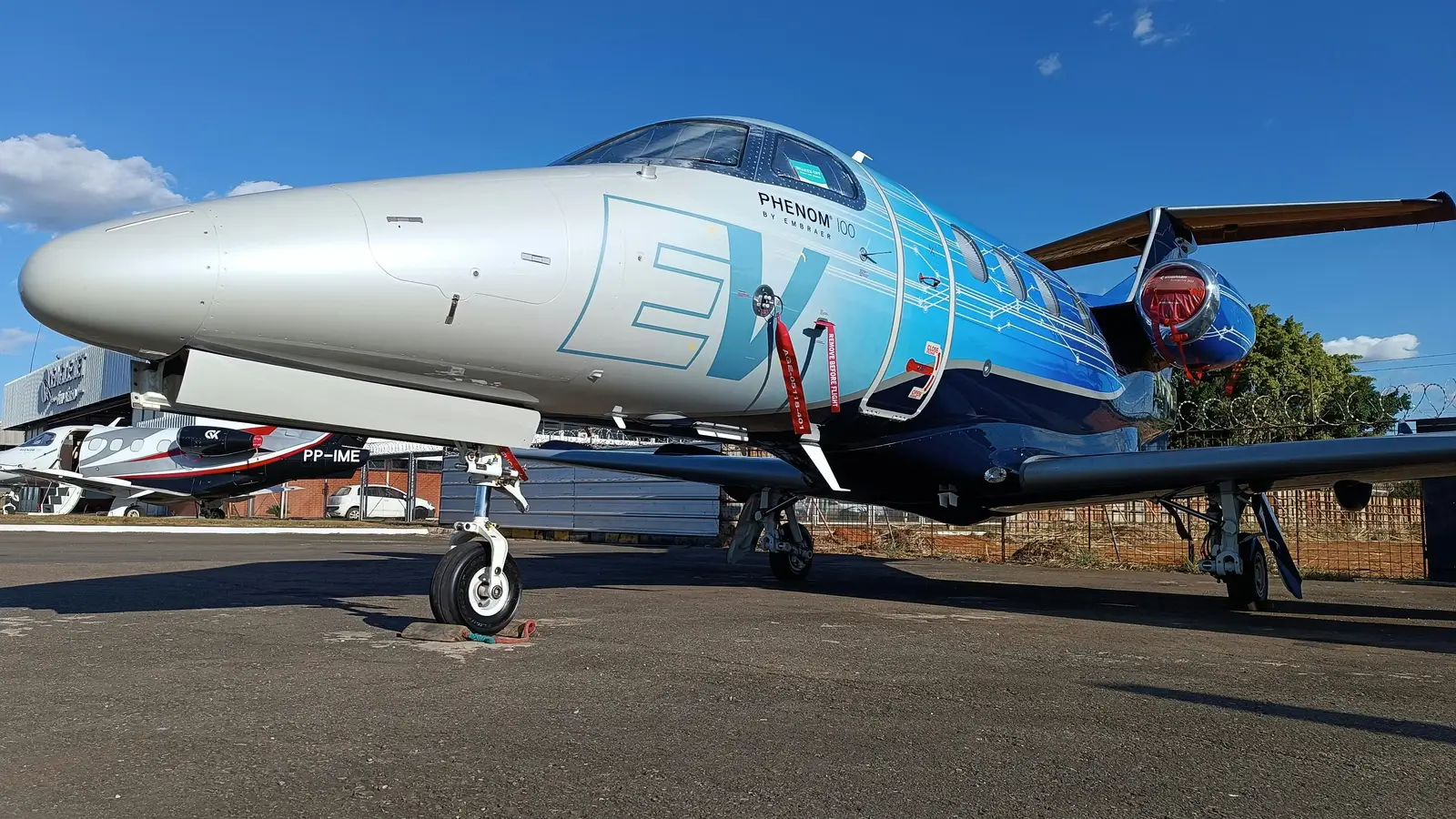
New York–Miami light-jet missions — sourcing, vetting and a quote path on one screen.
The first screen we build for a brokerage: role, mission fit, and a real quote route — before the fold.
Three things that change
A broker or traveller decides fast: clear role, mission fit, and a quote desk that does not feel like a black hole.
Your sourcing and vetting are real, but clients comparing aggregators never see why a broker exists in sixty seconds — cabin photos bury the job.
Role, mission fit and quote path clear enough that serious buyers stay with you.
Route and aircraft searches generate enquiries for whoever has the page — most brokerage sites still read like someone else’s fleet.
The high-intent searches built around mission, aircraft and route become yours.
The detail that wins a trip sits in a phone call, not on the page a travel manager uses. The way in is still one generic contact form.
A cleaner path to mission enquiry or operator quote — instead of dumping buyers into a shared inbox.
The short version
Charter marketing on this page starts with the air charter broker. Most people who arrive are sourcing trips, not holding the certificate. The work is mission pages, vetting the client can read, and a quote path that does not look like a marketplace.
Two buyer paths
Air charter broker
Pages that show sourcing and vetting before a client defaults to an aggregator price.
Start the broker pathPart 135 / operator
Direct quotes for the certificate holder — route and aircraft pages, kept separate from brokerage copy.
Start the operator pathNext step
We will map the mission pages, vetting gaps, and quote-path fixes. Certificate holders can take the operator path on the same page.
Related pages
Charter marketing for brokerages and operators — quote requests from buyers who compare first.
From the charter marketing blog
Different suppliers, different starting points
Different operators, different starting points — the pages below go deeper on each.
Private aviation clients expect stronger service positioning, premium credibility, and clearer differentiation around aircraft, mission fit, and response time.
Owner acquisition and management revenue need their own pages because the owner questions, economics, and trust signals differ from standard charter demand.
FAQ
Part 135 clarity, broker vs operator positioning, quote routing, written scope.
Start from the brokerage you actually run: the missions you source, the operators you will vet, and who answers the quote. Mission and corridor pages carry that sourcing work. Vetting standards sit above the cabin photos. The quote path names a person and a response time. Certificate holders who want direct bookings use the operator path on this page, so a brokerage site is not written as if it holds the aircraft.
That is the second path. Start with the operation that exists: certificate or AOC, aircraft, bases, routes, and quote-response capacity. Build route and aircraft pages around that capability, place the certificate where the buyer checks it, and track each qualified quote through response time and booked revenue. Do not mix that page with brokerage sourcing.
Private aviation marketing for Part 135 desks and brokers connects five assets: an intent map for routes and missions worth selling, route and aircraft pages Google can read, paid campaigns matched to those pages, verifiable operator and safety proof, and quote capture that records lead quality, response time, and booked outcome. It distinguishes operator from broker, adapts regulation by country, and never implies authority the business does not hold. Private jet charter SEO detail lives on the charter SEO page.
Retainers run $1,500–$8,500 USD/month; ad spend and website rebuilds are separate. Launch Pad covers foundational SEO and content; Altitude ($3,000) adds paid quote demand; Glass Cockpit ($5,500) supports denser route and mission coverage. Written a written proposal — no discovery call — with a 3, 6, or 12-month start then month-to-month.
The retainer covers strategy, route/aircraft SEO, content, and reporting for your tier. Google Ads media spend, site rebuilds, and third-party tools sit outside and are quoted in the written proposal before work starts. No hidden setup fees; mid-engagement scope changes go back in writing first.
We track qualified quote requests, cost per quote, response time, and booked revenue — not branded vanity traffic. Paid route campaigns can move within weeks; organic route and aircraft pages usually show enquiry lift in three to five months. Reporting cadence matches the tier; every proposal names the quote metrics we will hold to.